

Responsible Breeding & Verification

How verified breeders and shelters help build trust, reduce scams, and improve outcomes for pets and owners.

Verified badges Safety Best practices Read time: ~7–9 minutes
A trusted breeder or shelter staff member reviewing information to support a safe, responsible placement
Back to Blog
Goal: Help owners make safer decisions and reward responsible sources with more trust and better outcomes.

What “verified” means (and what it doesn’t)

Verification should be a trust signal—not a replacement for common sense. A verified breeder or shelter should be easier to evaluate because they provide consistent identity, clearer history, and more transparency.
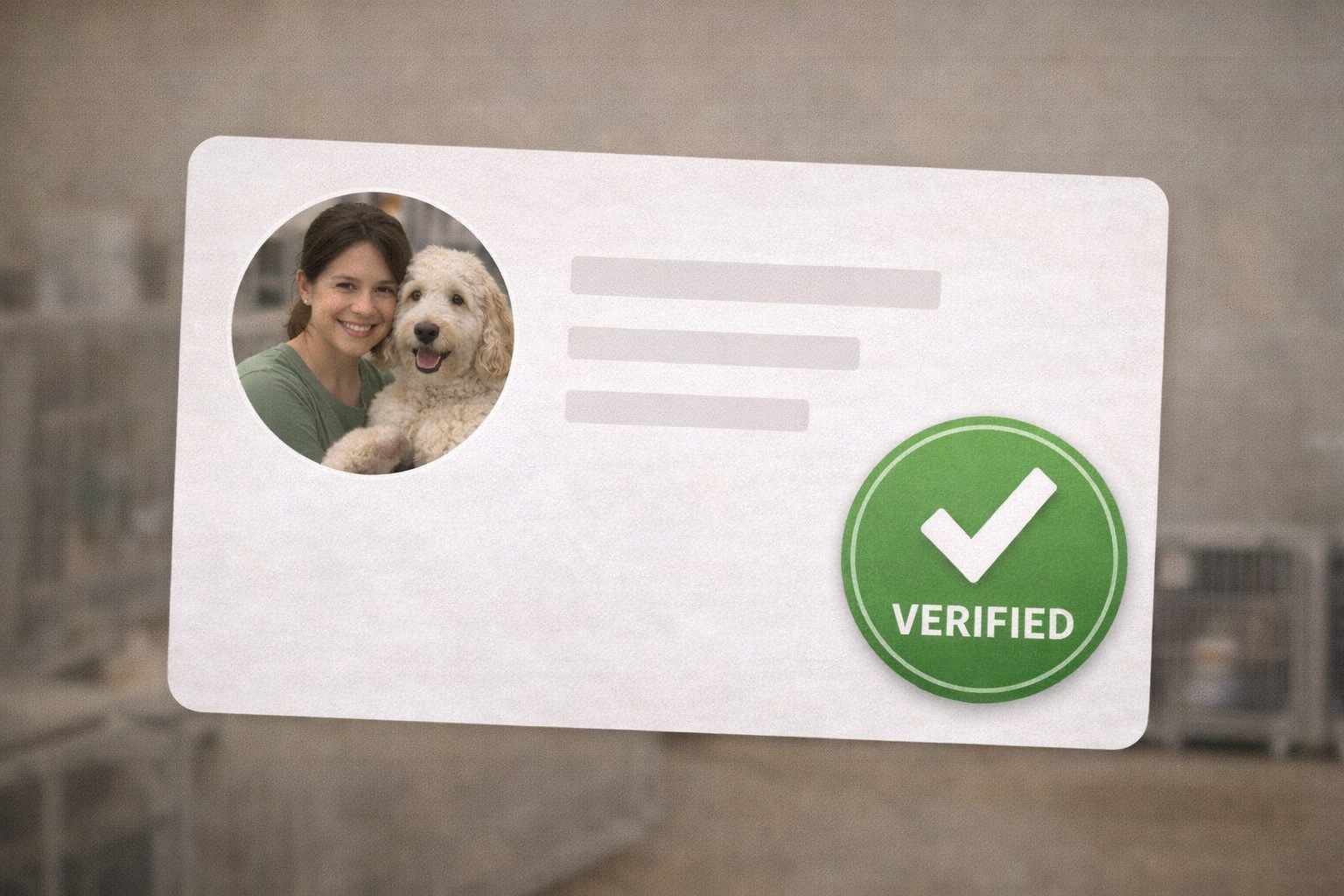
What it should mean Identity clarity, a real-world presence, consistent communication, and stronger accountability.
What it does not guarantee No system can guarantee outcomes; you still need to ask questions and confirm welfare standards.
A verified badge concept representing trust and accountability for breeders and shelters
Verification increases accountability and makes evaluation easier—but it should support, not replace, due diligence.

Why verification matters (trust, safety, and outcomes)

Scams and unsafe placements often rely on anonymity, pressure tactics, and missing details. Verification helps reduce those risks by encouraging transparency and creating a consistent identity people can evaluate over time.

  • Reduces scams: fewer anonymous accounts, more traceable sources.
  • Improves clarity: consistent profiles, history, and expectations.
  • Supports welfare: responsible sources are more likely to provide proper care details and post-adoption support.
  • Protects owners: fewer surprises means fewer returns and better long-term matches.

What to look for (welfare & living conditions)

Responsible sources prioritize health, temperament, and appropriate living conditions. This applies to all species—including exotics.
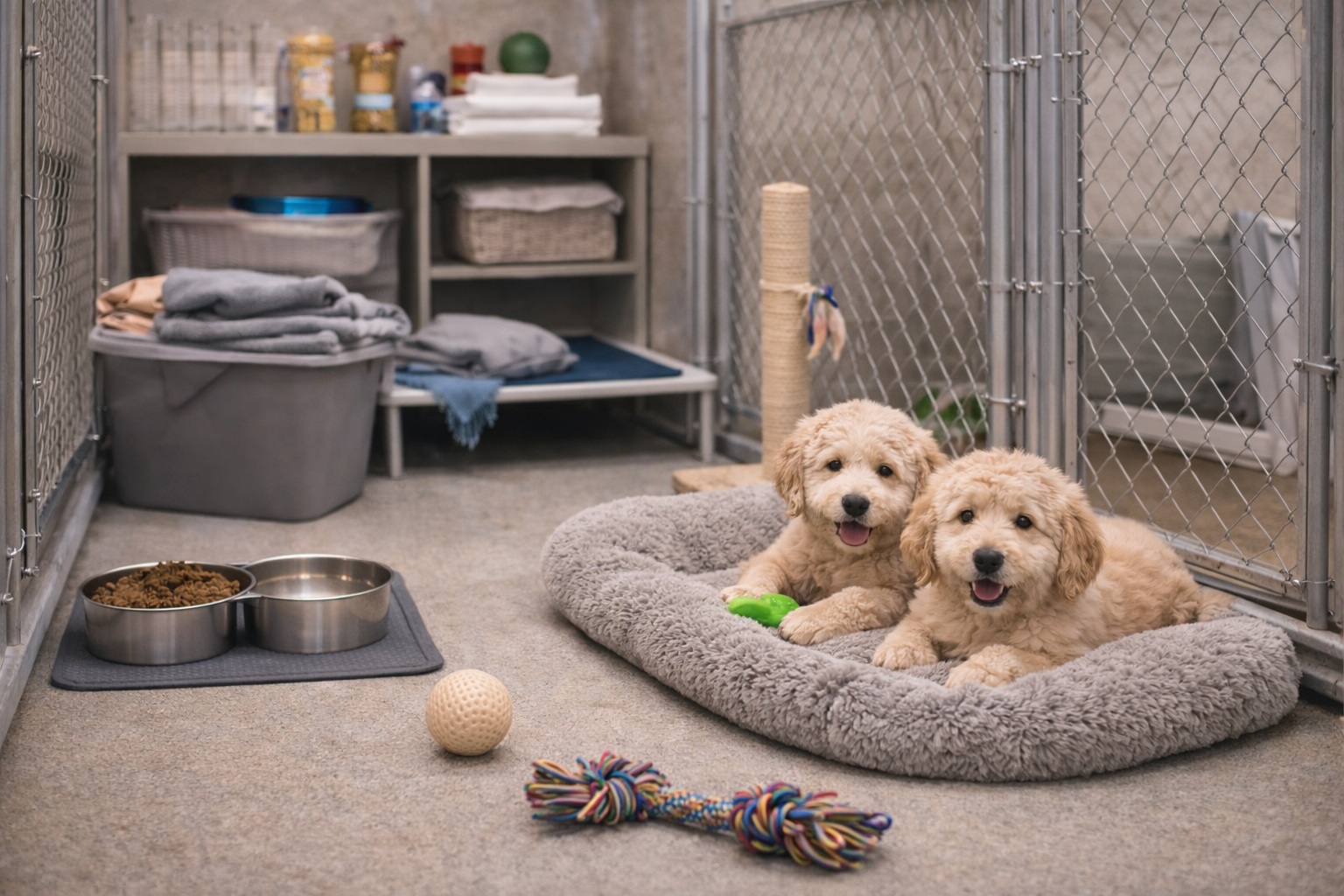
Clean, safe environment Space, ventilation, enrichment, and a calm setup that matches the species’ needs.
Socialization and handling Age-appropriate exposure and humane handling practices—not fear-based control.
Clear health baseline Normal appetite, normal movement, no obvious signs of neglect, and transparent discussion of any issues.
Ethical standards No “too good to be true” volume production; a focus on responsible placement over fast transactions.
A clean and calm animal environment representing responsible welfare standards
A responsible setup is clean, safe, and appropriate for the species—welfare is not optional.

Documentation & transparency (the difference-maker)

A trustworthy breeder, rescue, or shelter can usually provide clear answers and at least some form of documentation—especially for health and ownership basics.

Healthy transparency often includes

  • Vaccination history (or a clear plan for what is due next)
  • Spay/neuter status and timing (if applicable)
  • Microchip status and transfer process (or a plan to chip)
  • Species-specific care plan (diet, housing, enrichment, handling guidance)
  • Clear pricing/fees and what they include (no hidden charges)
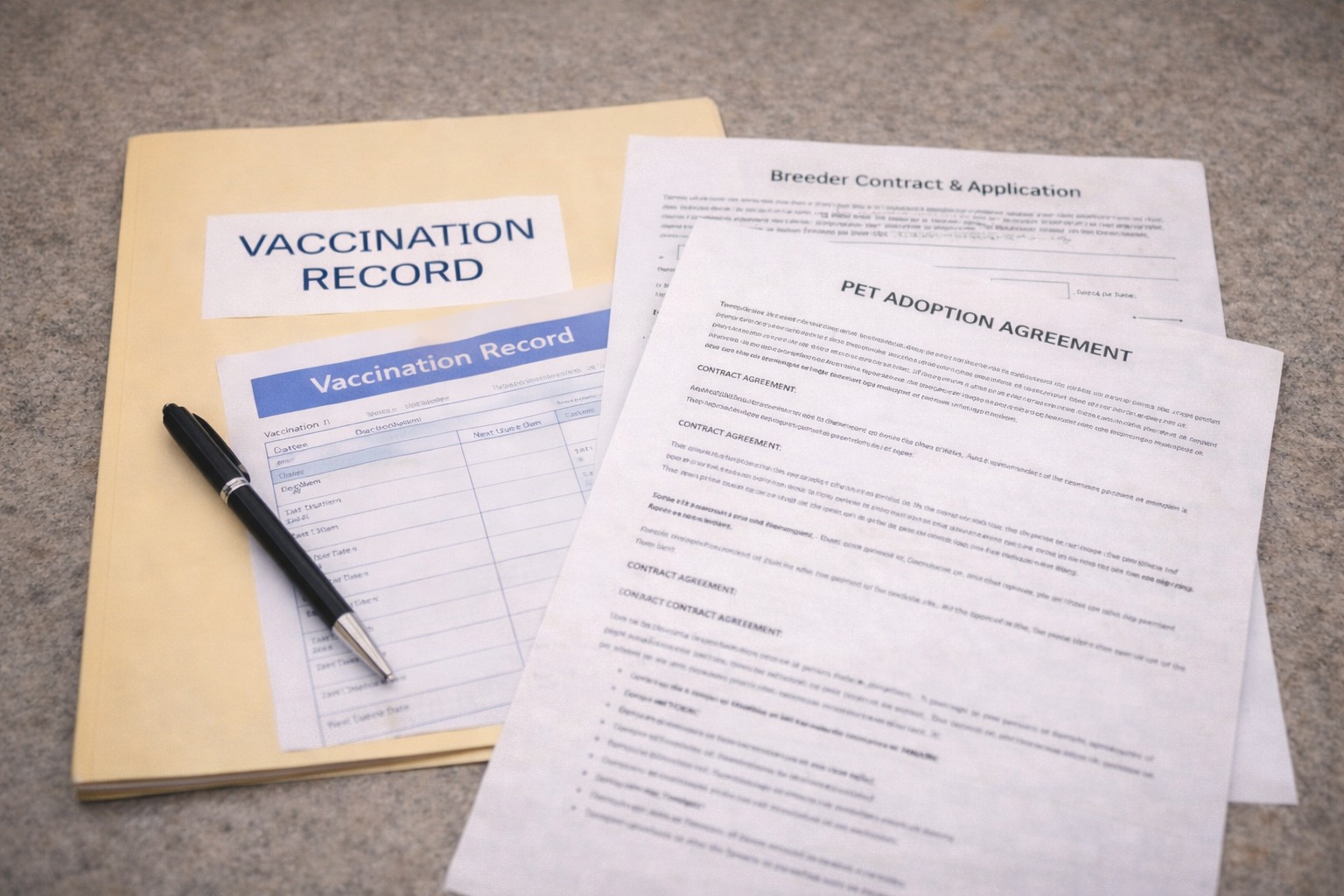
Adoption paperwork and veterinary records representing transparency and responsible placement
Clear records and consistent answers are strong “green flags” for responsible sources.

Safe handoff & communication

Even when everything looks great on paper, the handoff process should feel safe, structured, and calm—never rushed or secretive.
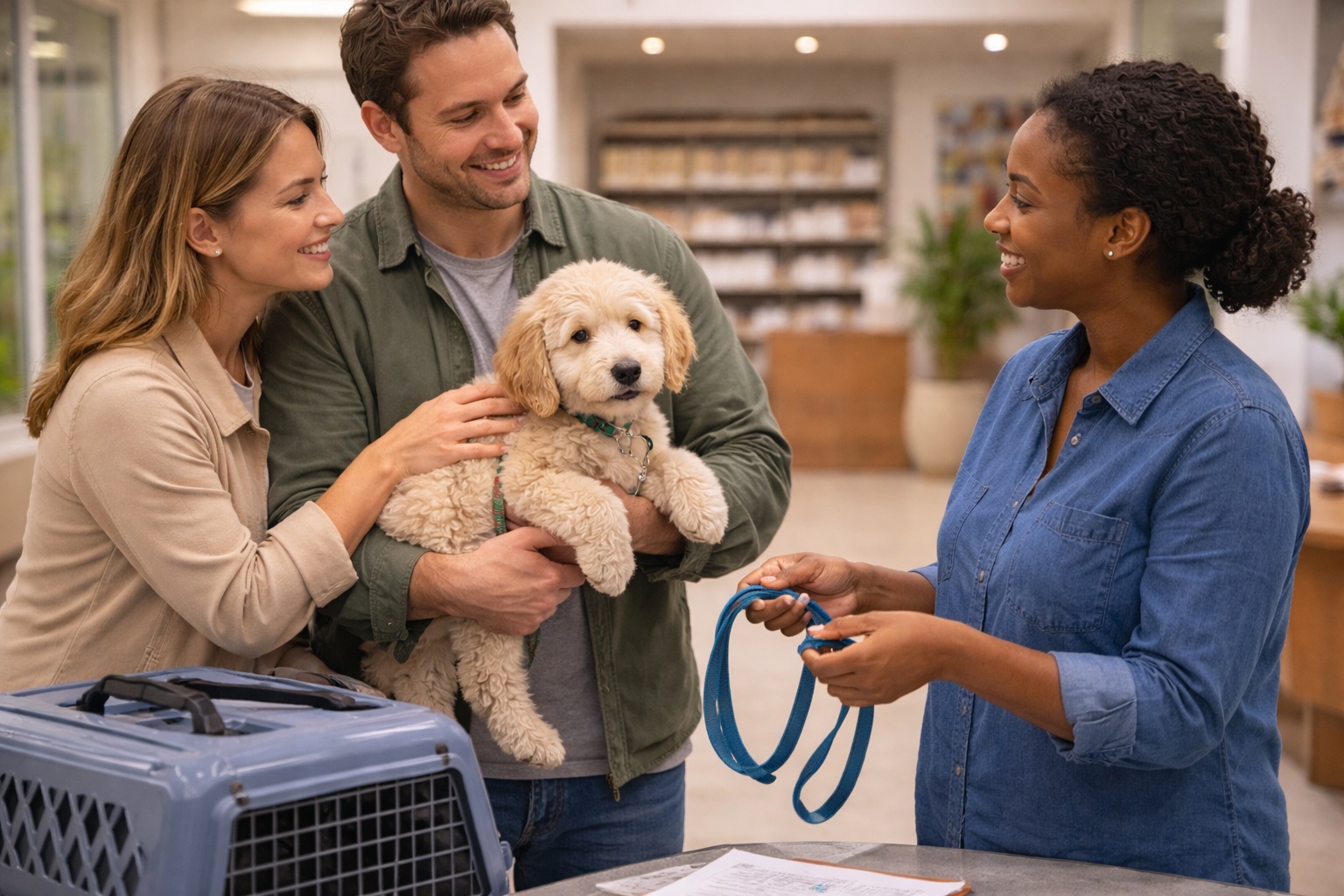
Clear meetup plan A safe public location (or a professional facility) with time to observe the pet calmly.
No pressure tactics Responsible sources encourage questions and do not rush decisions.
Follow-up support Willingness to answer questions after placement and provide care guidance.
A safe public handoff scenario for a pet adoption or placement
A safe handoff is calm, structured, and transparent—never rushed or secretive.

Red flags to watch for

Trust your instincts. If answers don’t align, details keep changing, or you feel pressured, pause the process.
  • Refuses to answer basic questions (age, care needs, health history, temperament).
  • Won’t share any documentation, even generally.
  • High-pressure language (“You must pay now or lose the pet”).
  • Inconsistent identity details, constantly changing names/locations.
  • Unsafe meetup requests or attempts to avoid normal verification steps.
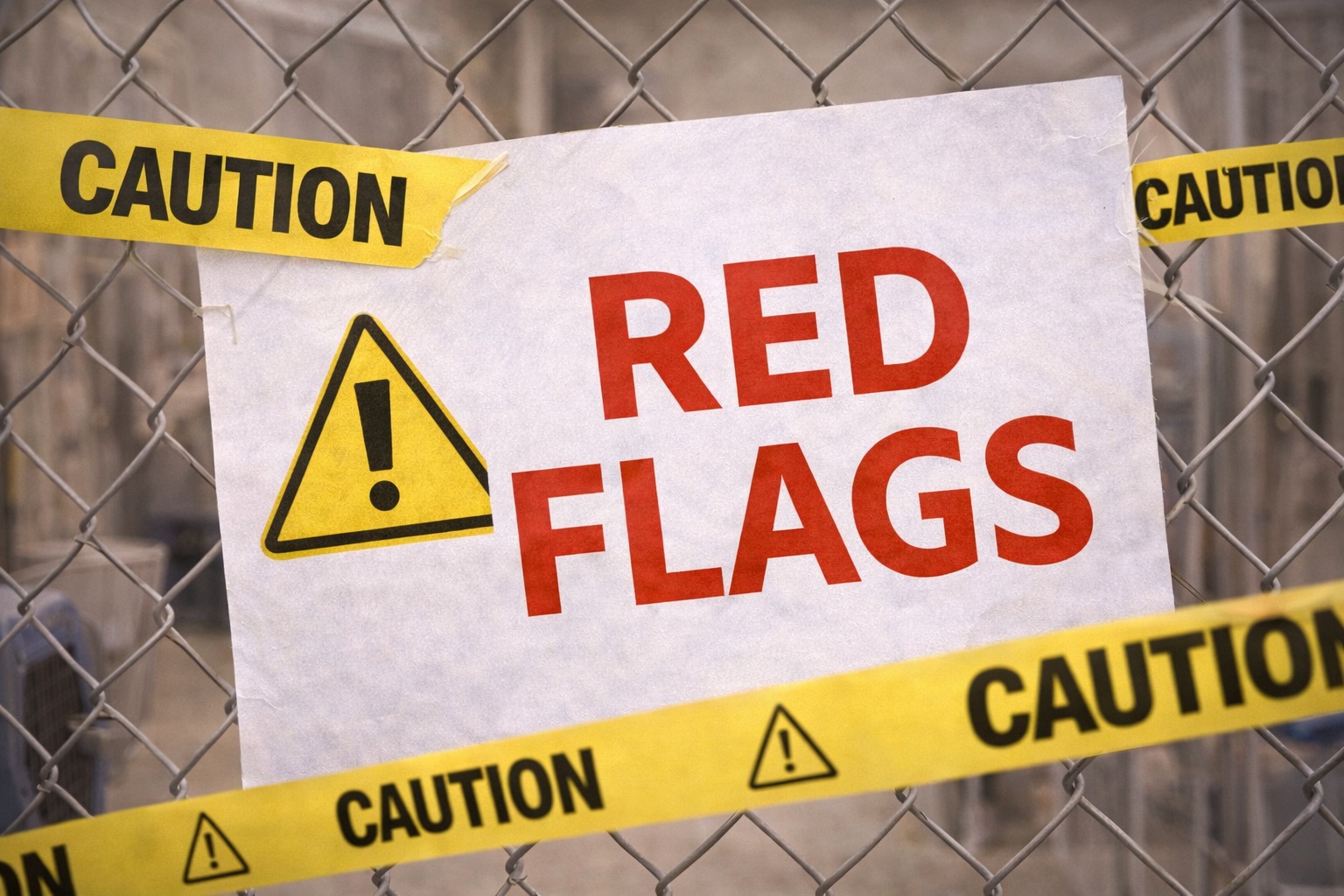
A red flags warning concept to encourage safer pet adoption and placement decisions
If the story doesn’t stay consistent, slow down and verify before committing.

Using BullyRoom verification

BullyRoom is designed to promote safer connections by making profiles clearer and improving trust signals over time. When verification is present, use it as a starting advantage—then confirm fit using the same checklists above.

Evaluate the source’s consistency Do their listings, communication, and expectations stay aligned?
Ask direct questions Responsible sources answer clearly and do not evade verification basics.
Prioritize welfare and fit The “right pet for you” is more important than the fastest transaction.

Quick summary

  1. Verification helps reduce scams by improving accountability.
  2. Look for welfare standards: clean environment, proper care, ethical practices.
  3. Prioritize transparency: records, microchip plan, and consistent answers.
  4. Keep handoffs safe, calm, and pressure-free.
  5. Watch for red flags and slow down when details don’t add up.
Back to Blog

Related articles

Adoption Checklist

Questions to ask, what to verify, and how to prepare your home for a smoother transition.

Read article

Lost Pet Quick-Action Guide

Immediate steps, what details matter most, and how alerts speed up local response.

Read article
About the author:

BullyRoom Editorial Team publishes practical guides for safer pet adoption, rehoming, and responsible ownership across all species. Learn more about BullyRoom or contact support.