
Safe Meetup & Payment Guide

A practical, scam-resistant checklist for adopting, rehoming, or buying a pet—across all species (dogs, cats, birds, reptiles, rabbits, exotics).

Safety Scams Meetups Payments Read time: ~7–10 minutes
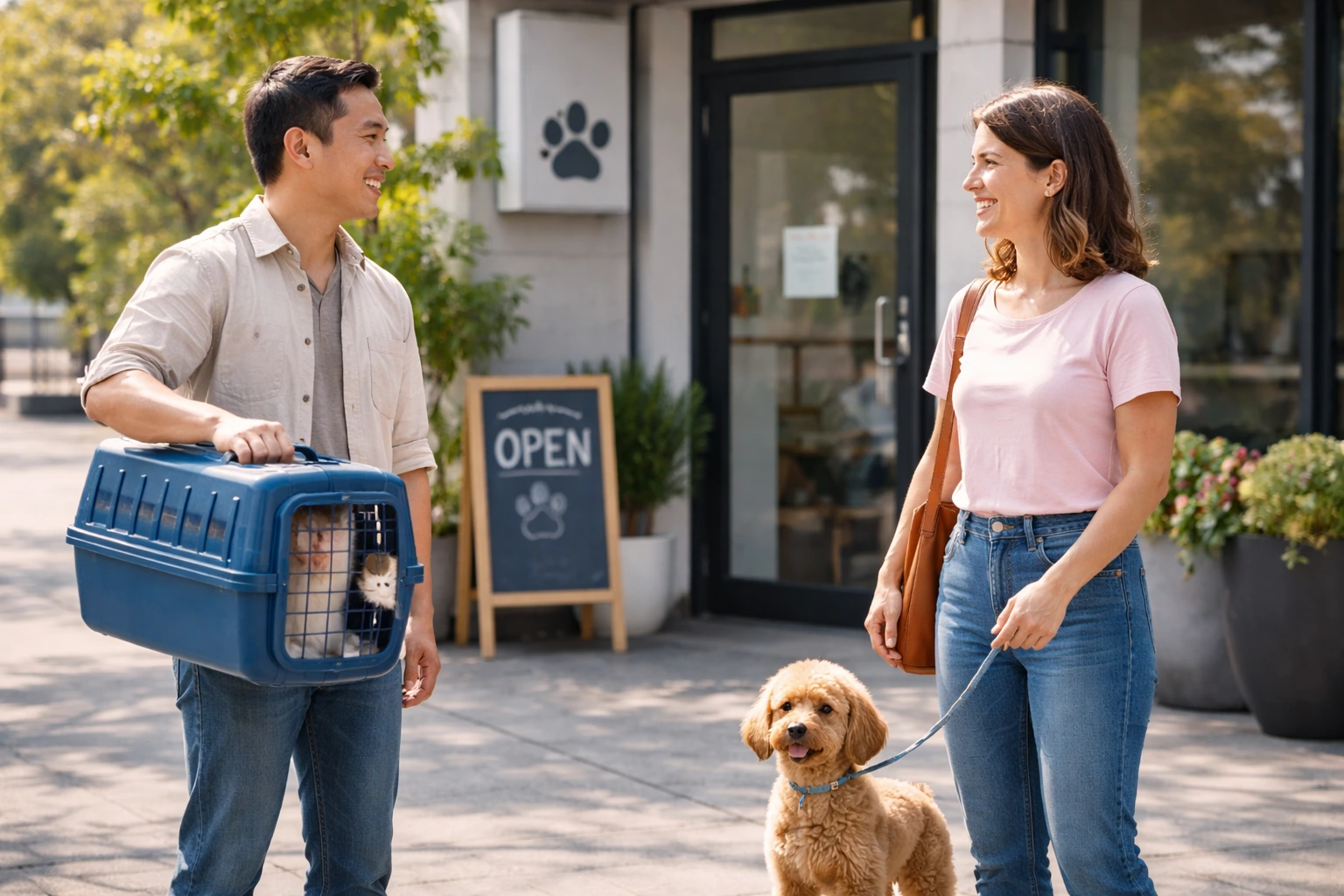
A safe public meetup for a pet handoff outside a vet clinic
Back to Blog
Goal: Reduce risk. Keep the process calm, documented, and easy to verify. If anything feels rushed, inconsistent, or pressured—pause.

Before you meet: set yourself up to win

Most problems happen before the meetup: unclear identity, missing details, or payment pressure. The fix is a short verification loop and one safe meetup plan.

Keep communication inside the platform when possible It’s easier to reference listings, photos, and message history if something changes.
Ask 5 direct questions Age, temperament, health baseline, reason for rehoming, and what comes with the pet (records, enclosure, supplies).
Request one “today photo” A quick new photo reduces bait-and-switch attempts, especially for high-demand pets.
Confirm the exact meetup window Choose a 30–60 minute window. If they keep moving the time/location, treat that as a signal.
Verify details before meeting using a short checklist
Fast verification prevents most common scams and misunderstandings.

Choose the safest location (recommended order)

Your best meetup is structured, well-lit, and has neutral third parties nearby. For exotics, a controlled indoor location matters even more.

1) Vet clinic lobby (best) Public, professional, and ideal if you want a quick wellness check or microchip scan.
2) Reputable pet store lobby Well-lit, public, and easier to keep the handoff calm.
3) Police station safe-exchange area (where available) Excellent for high-value transactions or when identity feels uncertain.
Avoid Parking-lot “surprises,” late-night meetups, or private homes when you’re not confident yet.
Vet clinic lobby as a safe meetup location
Vet clinic lobbies are ideal: safe, public, and structured.

Proof checklist (fast verification that works)

Verification is about consistency. You don’t need a long interrogation—just short, confirmable facts.

Ask for any 2–3 of these (depending on the situation)

  • Short video clip: the pet walking/moving naturally (or handling calmly for exotics).
  • Unique marking: scar, pattern, tail tip, toe color, band/leg ring (birds), etc.
  • Care detail only an owner knows: diet brand/type, enclosure specs, favorite toy, routine.
  • Basic record photo: redacting private info is fine. You just want proof it exists.
Tip: If you offer a reward or fee, keep it vague until proof is confirmed (“reward available”).

Payment practices that reduce scams

Payment problems typically happen when people pay before proof, pay under pressure, or pay in a way that cannot be verified. Keep it simple and document what was agreed.

Don’t pay before proof At minimum: a current photo/video + confirmed meetup location and time.
Use a written confirmation Even a short message: “$X at meetup, includes records + carrier, handoff at vet lobby.”
Avoid “code” requests Anyone asking you to “send a code” is almost always running a verification-code scam.
For higher-value transfers Consider meeting at a vet and doing a microchip scan / quick wellness check before completing the final exchange.

Safe handoff steps (the 5-minute plan)

  1. Arrive early and confirm you’re in the correct, well-lit spot.
  2. Verify the pet quickly (markings, photo match, calm handling).
  3. Secure the pet first (leash/carrier/enclosure). Do not “chat first.”
  4. Exchange essentials (records, supplies, care notes). Take a photo of any paperwork you receive.
  5. Complete the transaction only after you’re satisfied everything matches what was agreed.

Scam red flags (treat these as stop-signs)

  • “Pay now or someone else will take it.”
  • Refuses video proof but demands a deposit.
  • Won’t share the meetup address until the last second.
  • Wants you to click random links or “verify your phone” with a code.
  • Story keeps changing (age, location, breed/species, price, availability).
Common rehoming scam warning signs
Pressure + payment demands + no proof is the most common scam pattern.

Quick summary

  1. Verify with 2–3 quick proofs before meeting.
  2. Meet at a vet lobby or similarly safe public location.
  3. Secure the pet first, then exchange details and complete the transaction.
  4. Never send codes or money without proof.
  5. If the story changes or pressure increases, pause.
Back to Blog

Related articles

High-Trust Pet Listings

Photos and details that attract real inquiries and reduce scams.

Read article

Microchips, ID Tags & Digital Profiles

How ID tools work together for faster recovery and clearer ownership.

Read article
About the author:

BullyRoom Editorial Team publishes practical guides for safer pet adoption, rehoming, and responsible ownership across all species. Learn more about BullyRoom or contact support.